
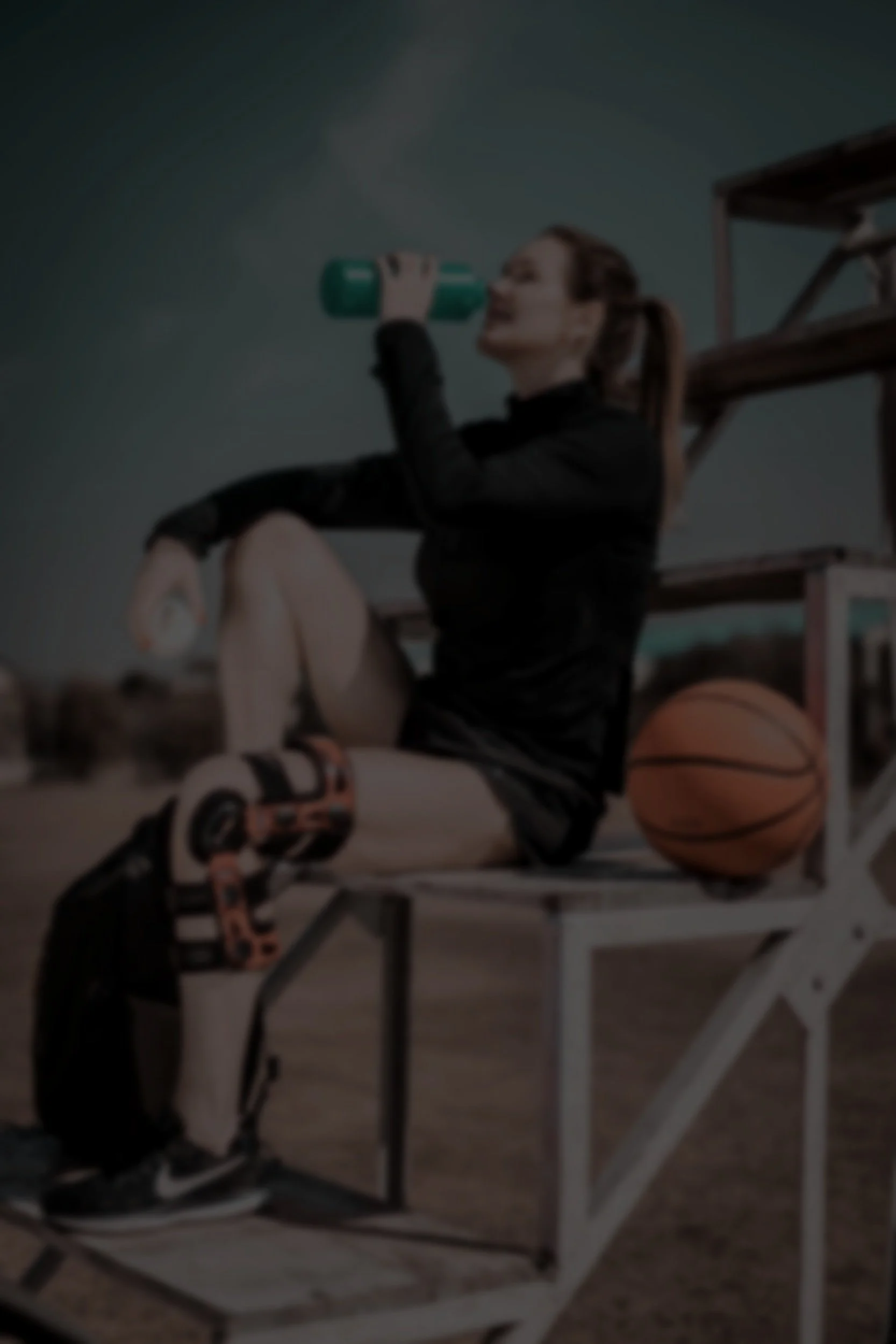
Rehabilitation shouldn’t be done on your own.
Just because you’re not training with your team right now, doesn’t mean you can’t rehab in a team.
The Current Rehab System is Broken
You heard right, it’s broken. There isn’t enough effort being put into the rehab process that is working for the athlete.
It goes a little like this…
Injury > surgery (sometimes) > expensive physiotherapy for 6-12 weeks > grab your piece of rehab paper and do your mini-band exercises > return to training without some real strength training.
That’s a BIG problem.
Do this and run the HIGH RISK of re-injury.
But it’s not your fault… or the Physio’s fault…
Let’s reframe it and show you how it SHOULD look…
Injury > surgery > accurate rehab with Physio > liase and work with strength coach (ATP) simultaneously > combine Physio, Gym and Field rehab over the coming moths > return fitter and stronger than pre-injury.
Which scenario do you prefer?
Of course the second, it’s a no brainer.
ATP will work with your Physiotherapist to ensure you get the best rehab to return with confidence.
We will make sure the rest of your body is STRONG while you rehab the injured area.
i.e. strong shoulders and left leg while rehabbing the right knee.
Keep you fit with off-feet conditioning so you don’t fall behind when it’s time to return to training.
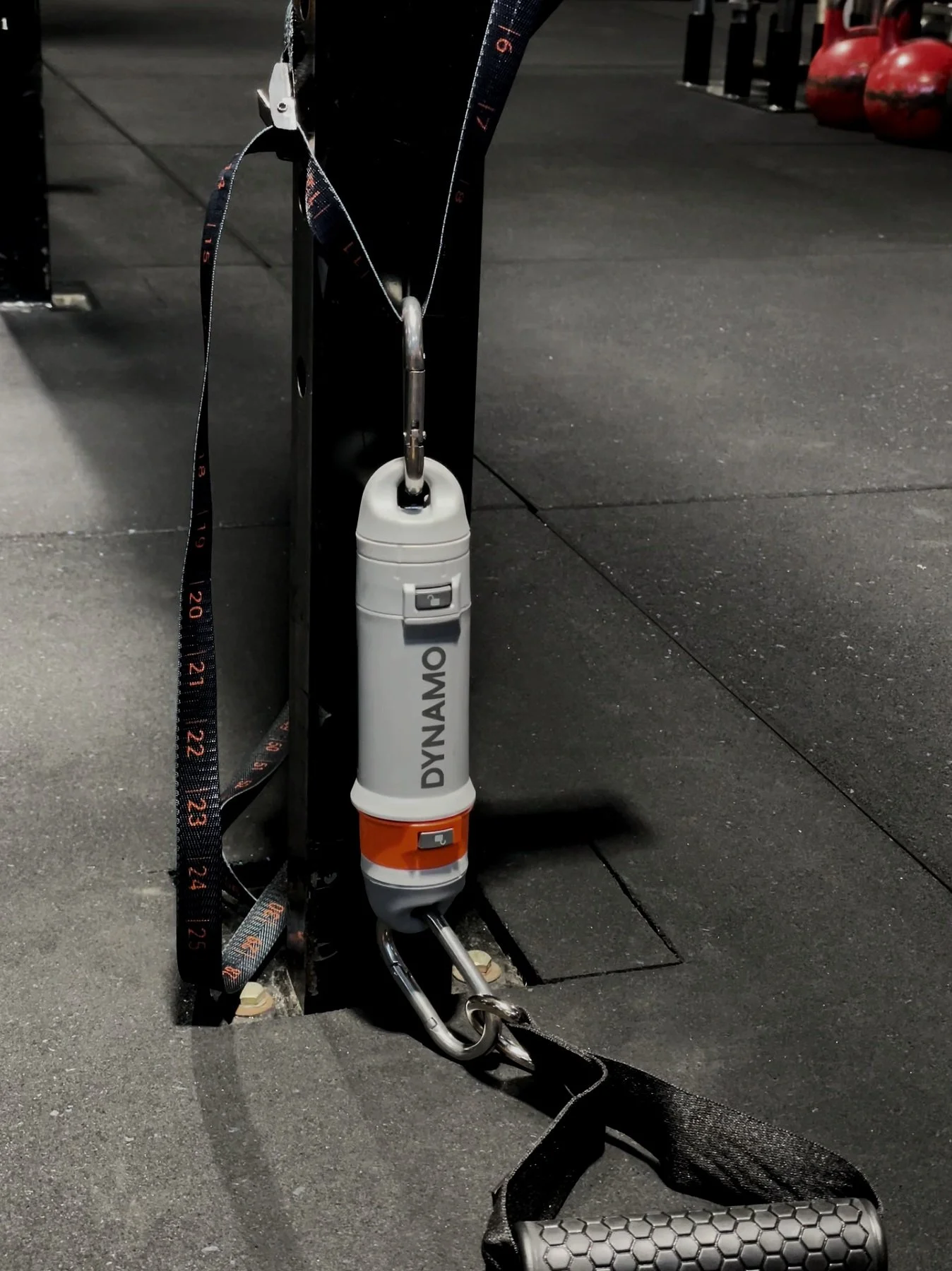
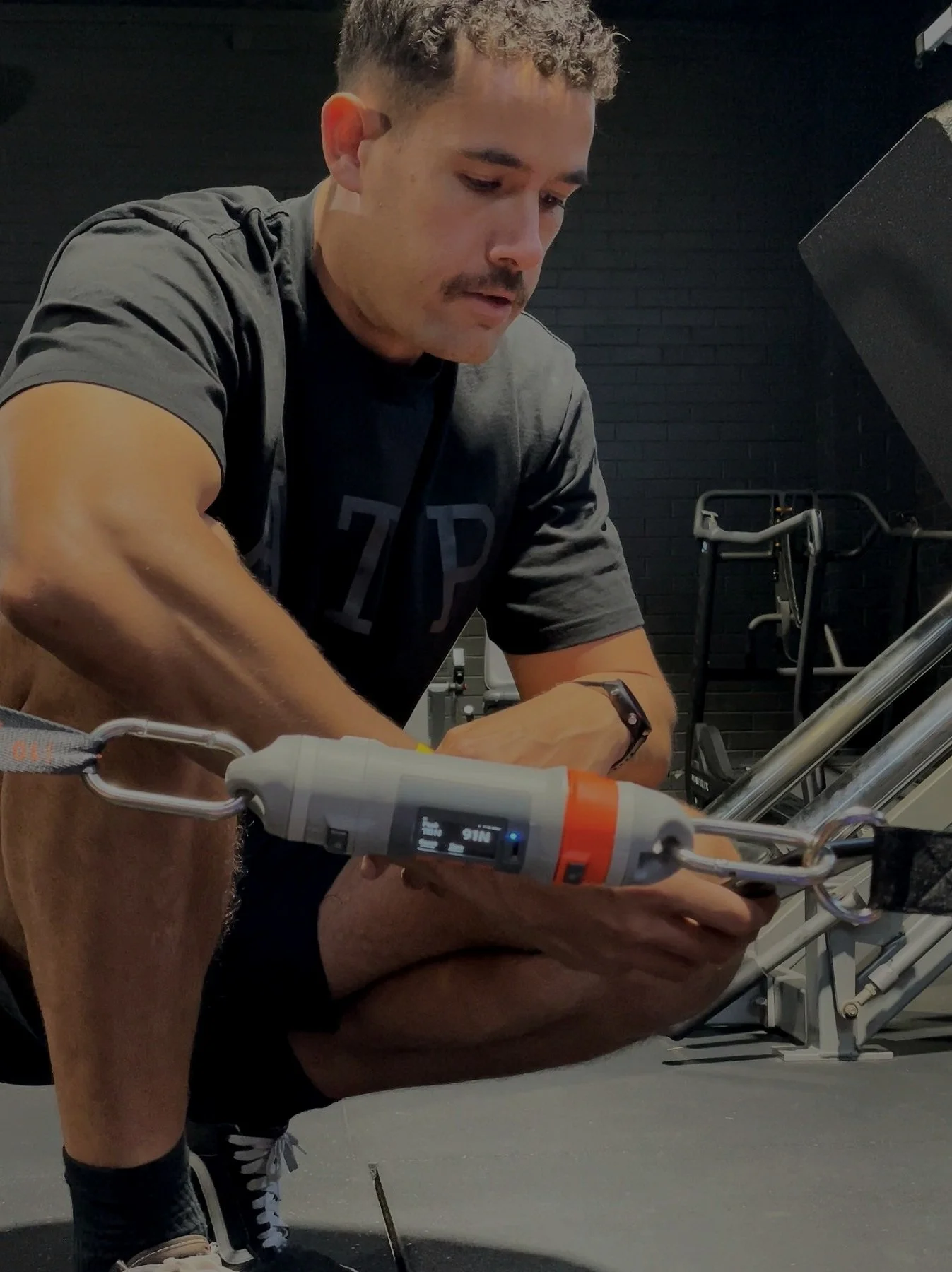
TRUST IN ACCURATE NUMBERS WITH THE LATEST TECHNOLOGIES FROM VALD PERFORMANCE TO TRACK YOUR PROGRESS.
HOW DO WE MEASURE IT ALL?

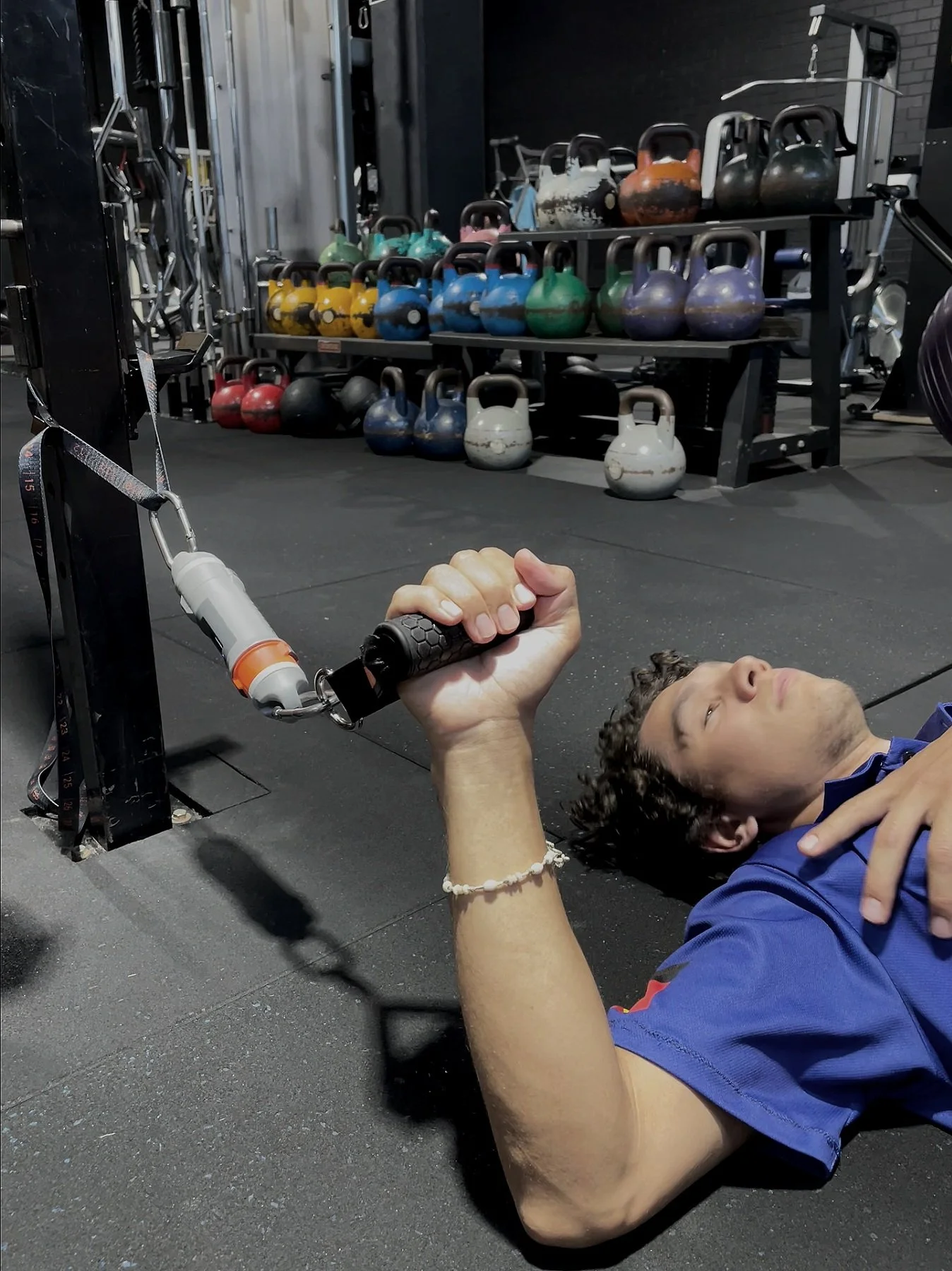
Vald’s Hand Held Dynamometer (HHD) allows us to track both Strength & Joint Range of Motion through all planes of motion for all joints and actions.
HAMSTRING
We use the HHD to record Hamstring strength. Hamstring strength is one of the most vital part of an athletes performance, so why not make sure it’s operating efficiently. we do this by measuring the strength in 3 different angles; 10, 30 and 90 degrees. This gives us a look at each angle and if there are any deficiencies then compare between each side for any asymmetries.
SHOULDER
We also use the HHD to asses shoulder strength. It’s no lie that the shoulder is the most vulnerable joint in the body especially when it comes to high intensity sports. Making sure our internal and external strength is up to scratch, and our rotator cuff is strong enough to hold our shoulder in its socket.
JOINT ANGLES
By utilising VALD’s HHD we can also test joint angles. This cal give us a look into any joint restrictions you may have or assess against the other limb when returning from injury.
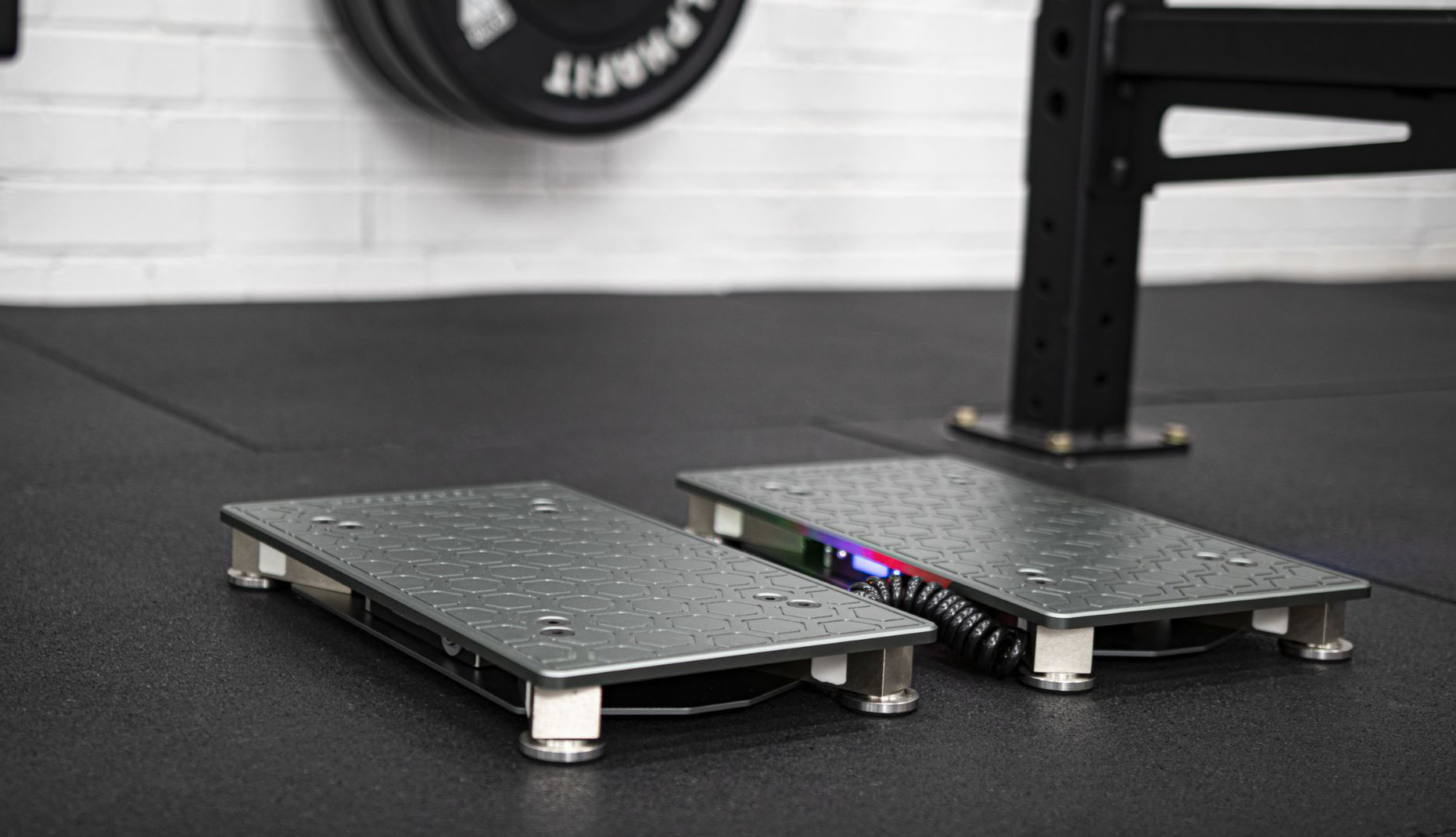
Squat Jump (SJ), Countermovement Jump (CMJ), Drop Jump (DJ), Hop Test.
By utilising the VALD Force Decks we can accurately measure key metrics like, impulse, jump height, landing force, ground reaction, contact time, concentric force.
With these number we can put together an athletic profile and determine how ‘athletic’ you really are and how that can be used in your sport.
Some examples such as:
a low strength to power ratio between the IMTP and countermovement jump = more balistic strength in the program.
a high Reactive Strength Index of high flight time and low contact time on the DJ = very elastic and may need more max strength.
an asymmetry of more than 10% on the single leg hop tests = more plyometric work on single leg.
